

According to the 2025 Global Aesthetics Market Report, the demand for non-invasive cosmetic procedures has surged by over 40% in the last three years alone. This isn't just a fleeting trend; it's a fundamental shift in how we approach anti-aging. Gone are the days when surgical facelifts were the only answer to sagging skin. Today, technology offers a more subtle, gradual, and downtime-free alternative. Among these innovations, laser skin tightening has emerged as a frontrunner, promising to turn back the clock by stimulating the very foundation of youthful skin: collagen. But with so much information and marketing hype, how do you separate fact from fiction? This guide cuts through the noise to provide a clear, evidence-based look at what laser skin tightening truly entails, helping you make an informed decision before you even step into a clinic.
Checking if the Procedure is Right for Your Skin
Before diving into any cosmetic procedure, the most critical step is a self-assessment and a professional consultation to determine if you are a suitable candidate. Laser skin tightening is not a one-size-fits-all solution. Its effectiveness is highly dependent on individual factors such as skin type, age, degree of skin laxity, and overall health. Generally, the ideal candidates are individuals in their 30s to 60s who are experiencing mild to moderate skin sagging and wish to improve skin texture and firmness without undergoing surgery. 😟
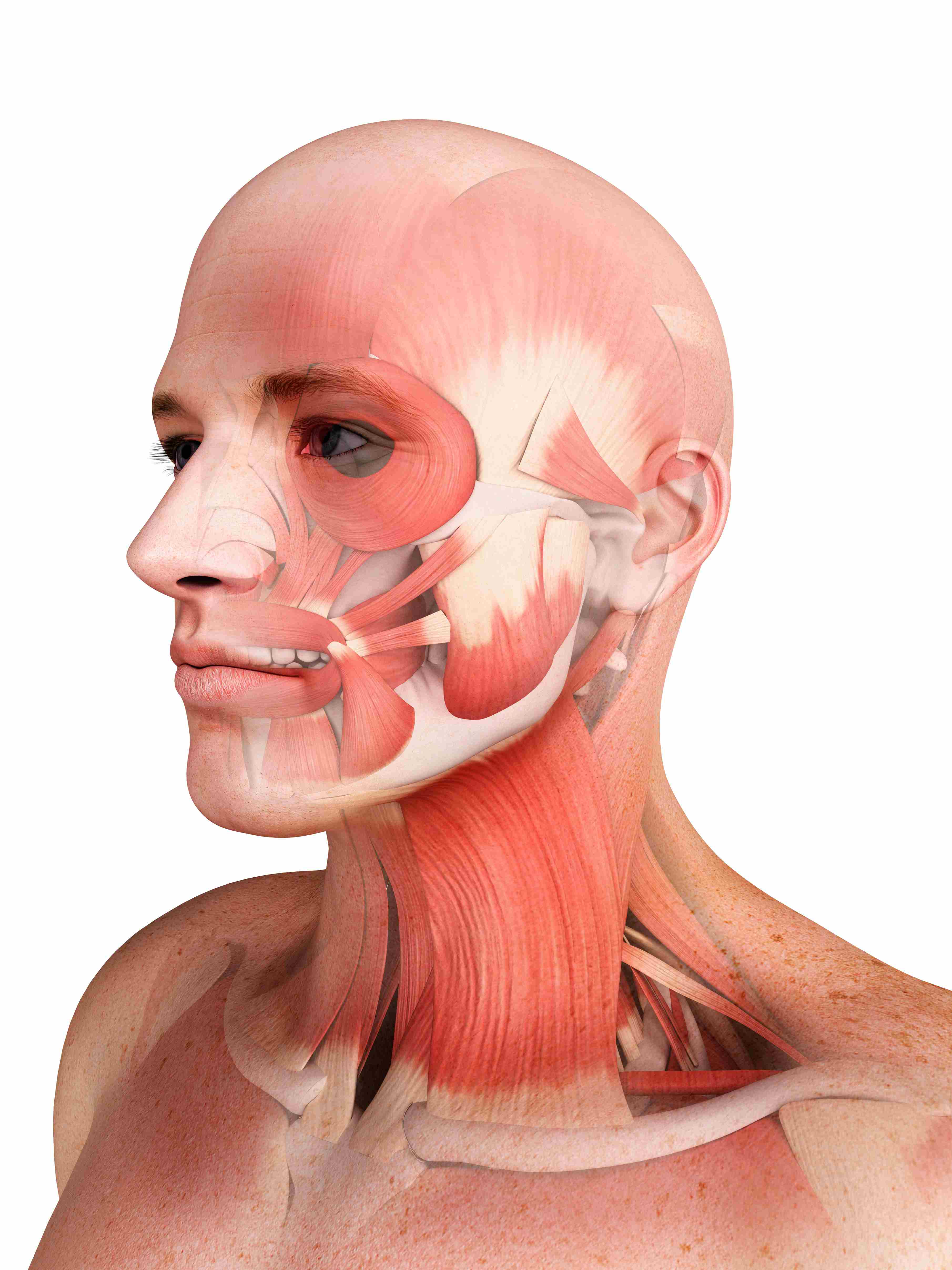
The technology works by delivering focused energy into the deeper layers of the skin, gently heating the tissue and triggering the body's natural collagen production process. This means it is most effective for those who still have a good degree of skin elasticity. If you have significant sagging or deep, static wrinkles, a surgical procedure like a facelift might be a more realistic option. Furthermore, certain skin conditions or medical histories can be contraindications. Individuals with active skin infections, a history of keloid scarring, or those who are pregnant or breastfeeding should avoid this treatment. It's also crucial to discuss any medications you're taking, as some can increase photosensitivity and lead to complications.
| Characteristic | Ideal Candidate 👍 | May Not Be Suitable 👎 |
|---|---|---|
| Age Range | 30s to early 60s | Very young (under 30) or those with advanced signs of aging |
| Skin Laxity | Mild to moderate sagging (e.g., jowls, neck, fine lines) | Severe skin drooping, deep folds |
| Treatment Goal | Preventative care, subtle firming, improved texture | Dramatic, surgical-level lift |
| Health Status | Good overall health, no active skin conditions | Pregnant, breastfeeding, active infections, history of keloids |
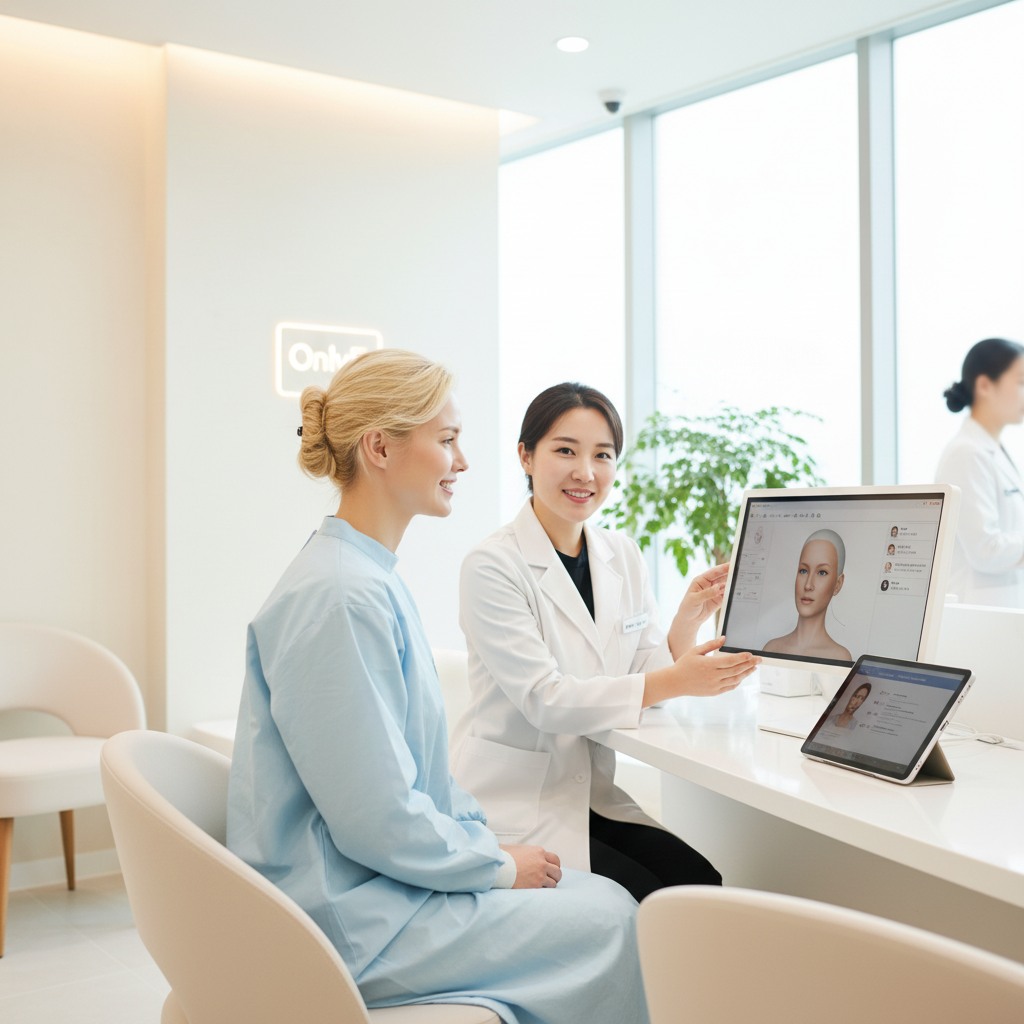
Ultimately, a thorough consultation with a board-certified dermatologist or plastic surgeon is non-negotiable. They can accurately assess your skin's condition, listen to your aesthetic goals, and recommend the most appropriate type of laser or energy-based device for your specific needs, ensuring both safety and optimal results.
The Procedure Process and Duration
Understanding the step-by-step process of a laser skin tightening session can significantly alleviate any pre-treatment anxiety. The procedure is known for being relatively quick and straightforward, often referred to as a "lunchtime lift" because it can be completed within an hour with minimal downtime. The entire experience is designed for patient comfort and efficiency. ⏰
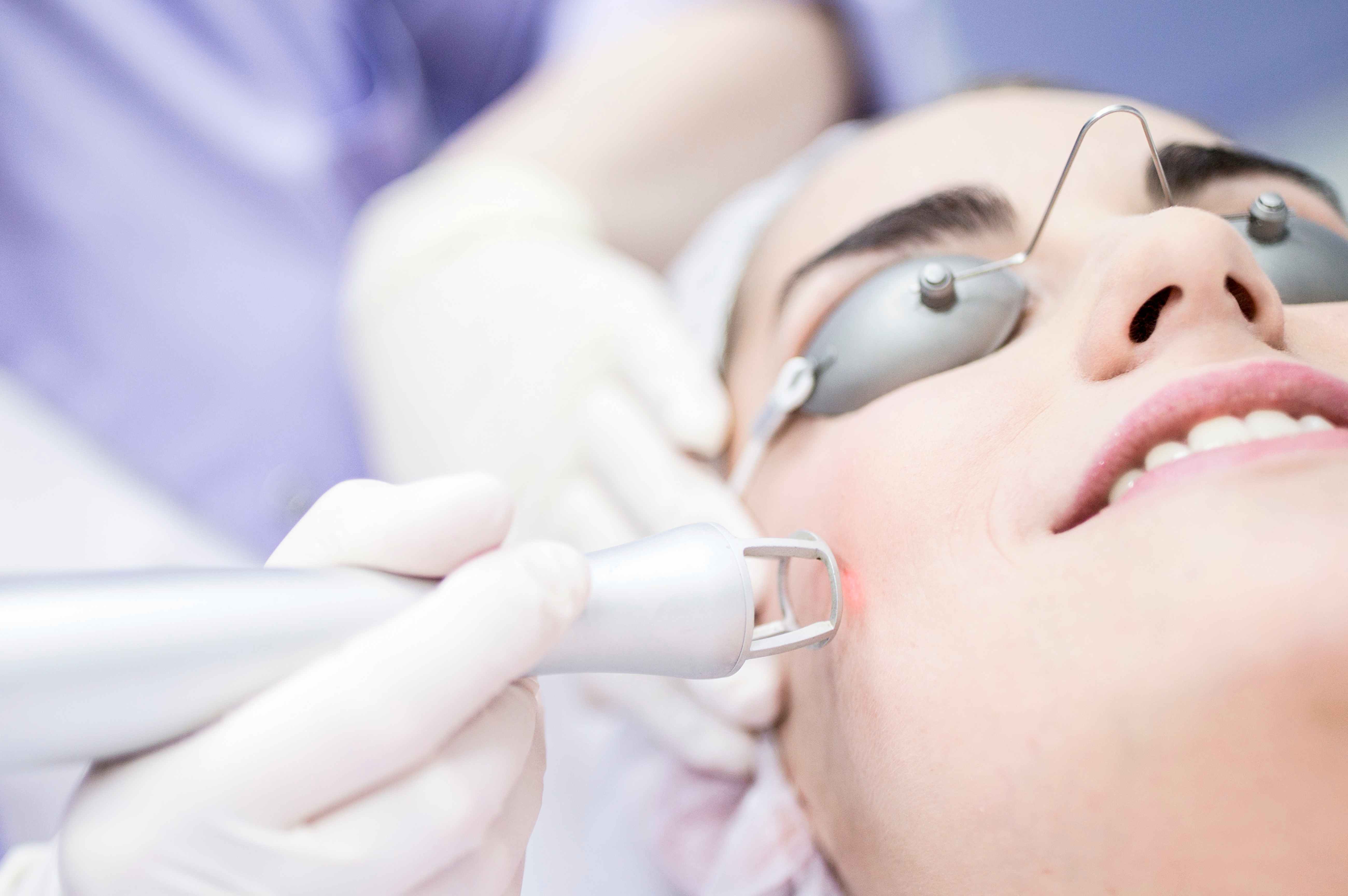
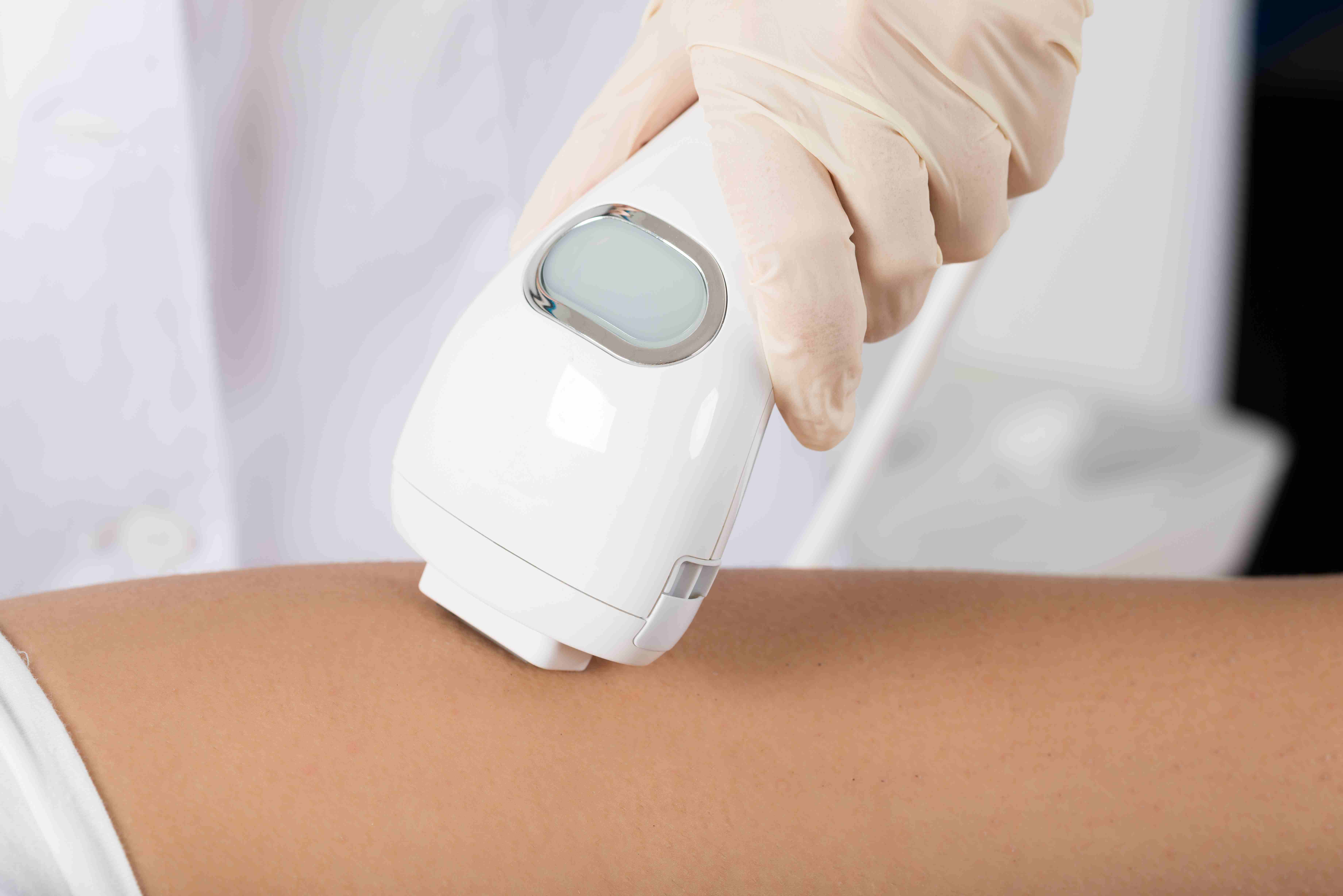
The journey begins with a thorough cleansing of the treatment area to remove any makeup, oils, or impurities. Although most modern laser tightening devices have integrated cooling systems to minimize discomfort, a topical anesthetic or numbing cream may be applied about 30-60 minutes before the procedure, depending on the specific technology used and your personal pain tolerance. Once your skin is prepped, the practitioner will provide you with protective eyewear. The core of the procedure involves the practitioner methodically moving a handheld device across the targeted areas. You will likely feel a sensation of warmth as the laser energy is delivered into the dermis, which is the layer of skin where collagen is produced. This sensation is typically well-tolerated, often described as a warm "stamping" or a gentle snapping feeling.
💡 A Typical Session Breakdown
A standard laser skin tightening session for the face and neck follows a predictable timeline. Consultation and cleansing take about 10-15 minutes. If a topical anesthetic is used, expect an additional 30-60 minutes for it to take effect. The actual laser application itself is surprisingly quick, usually lasting between 20 to 45 minutes depending on the size of the treatment area. Finally, a post-treatment cooling gel or soothing mask may be applied for 5-10 minutes to calm the skin. In total, you can expect to be at the clinic for about 60 to 90 minutes.
Immediately following the treatment, a soothing serum or moisturizer and, most importantly, a broad-spectrum sunscreen will be applied to protect the treated skin. The entire process is non-invasive, meaning there are no incisions or needles involved, which is a major reason for its growing popularity. You can typically return to your daily activities right after leaving the clinic.
Expected Effects and Limitations
One of the most important aspects of considering laser skin tightening is managing your expectations. While the technology is impressive, it is not a magic wand. The results are both gradual and subtle, aiming for a natural-looking rejuvenation rather than a dramatic transformation. The primary mechanism is the stimulation of neocollagenesis—the process of creating new collagen. ✨
Some patients report a minor, immediate tightening effect right after the procedure. This is often due to the initial contraction of existing collagen fibers in response to the heat. However, the true, long-lasting results unfold over time. As your body produces new, healthy collagen, you will notice a gradual improvement in skin firmness, texture, and a reduction in fine lines. This process typically takes 2 to 6 months to become fully apparent. The final outcome is a plumper, more resilient, and lifted appearance. For optimal results, a series of treatments is almost always necessary. Most practitioners recommend a course of 3 to 5 sessions, spaced about 4 to 6 weeks apart, to build a strong collagen foundation.
It is crucial to understand the limitations. Laser skin tightening is designed to address mild to moderate skin laxity. It cannot replicate the results of a surgical facelift for individuals with significant jowls or extensive sagging skin. The results are also not permanent. The natural aging process continues, and collagen degradation is an ongoing biological reality. Therefore, maintenance treatments are typically recommended every 12 to 18 months to preserve the benefits. Think of it as a fitness routine for your skin—consistency is key to maintaining a toned and youthful appearance.
💡 The Collagen Remodeling Timeline
The effects of laser skin tightening are not instantaneous but follow a biological timeline.
- Immediately Post-Treatment: Mild tightening from existing collagen fiber contraction.
- 2-4 Weeks: The initial phase of new collagen synthesis begins. Skin may start to feel smoother.
- 2-3 Months: Significant collagen remodeling occurs. Skin appears firmer and fine lines are visibly reduced.
- 3-6 Months: Peak results are visible as the new collagen structure matures, providing maximum lift and firmness.
Side Effects and Precautions
While laser skin tightening is celebrated for its excellent safety profile, especially compared to surgical alternatives, it is not entirely without risks. Being aware of potential side effects and taking the necessary precautions is essential for a smooth and successful treatment journey. The vast majority of side effects are mild, temporary, and resolve on their own within a few hours to a few days. 🛡️
The most common immediate side effects include redness (erythema), mild swelling (edema), and a sensation of warmth or tenderness in the treated area, similar to a mild sunburn. These are normal inflammatory responses to the thermal energy delivered to the skin and are a sign that the healing and collagen-building process has been initiated. These symptoms typically subside within 24 to 48 hours. Some individuals may also experience very minor bruising or pinpoint marks, though this is less common with newer technologies.
More serious, though rare, complications can occur, particularly if the procedure is performed by an inexperienced technician or on an unsuitable candidate. These can include burns, blistering, scarring, and changes in skin pigmentation (hyperpigmentation or hypopigmentation). The risk of these adverse events is significantly higher for individuals with darker skin tones, as the melanin in the skin can absorb more laser energy. This is why choosing a reputable clinic with experienced practitioners who use devices appropriate for your skin type is of paramount importance. A pre-treatment patch test may be recommended to gauge your skin's reaction.
⚠️ Critical Pre-Treatment Precautions
To minimize risks and ensure the best possible outcome, adhere to these precautions. For at least two weeks before your appointment, avoid excessive sun exposure, tanning beds, and self-tanning products. Discontinue the use of photosensitizing skincare products, such as retinoids and alpha-hydroxy acids (AHAs), for about a week prior. Inform your practitioner of any new medications or health conditions. Following these guidelines helps prepare your skin for the treatment and reduces the likelihood of adverse reactions.
Post-Procedure Care and Maintenance Methods
The success of your laser skin tightening treatment doesn't end when you leave the clinic. In fact, your post-procedure care routine is just as crucial as the treatment itself for maximizing results and ensuring a complication-free recovery. Proper aftercare helps soothe the skin, supports the collagen remodeling process, and protects your investment. The core principles of post-treatment care are hydration, sun protection, and gentle handling. 🌿
Immediately after the procedure, your skin will be sensitive. It's essential to treat it gently. Avoid hot showers, saunas, steam rooms, and strenuous exercise for at least 24-48 hours, as excessive heat can exacerbate redness and swelling. Cleanse your face with a mild, non-abrasive cleanser and lukewarm water, and pat it dry gently. For the first few days, focus on using hydrating and calming skincare products. Ingredients like hyaluronic acid, ceramides, and aloe vera can help restore the skin's moisture barrier. Steer clear of harsh active ingredients like retinoids, vitamin C, and exfoliating acids for at least a week, or until your practitioner advises it's safe to resume them.
The single most important aspect of aftercare is diligent sun protection. Your skin is more vulnerable to UV damage after a laser treatment, which can lead to hyperpigmentation and undermine the collagen-building benefits. Apply a broad-spectrum sunscreen with an SPF of 30 or higher every single day, even if you are indoors, and reapply every two hours if you are outside. To maintain your results long-term, adopting a healthy lifestyle is key. A balanced diet rich in antioxidants, staying well-hydrated, and avoiding smoking will support your skin's health from the inside out and prolong the effects of your treatment. Regular maintenance sessions, as recommended by your provider, will also be essential to combat the natural aging process.
💡 Your Post-Treatment Skincare Checklist
- Days 1-3: Use a gentle cleanser, a hydrating serum (e.g., hyaluronic acid), and a simple moisturizer. Avoid all exfoliants and active ingredients.
- Days 4-7: Continue with a gentle routine. You may be able to reintroduce a vitamin C serum in the morning, but monitor for any irritation.
- After 1 Week: Gradually reintroduce your regular skincare products, including retinoids, as tolerated.
- Ongoing: Daily use of broad-spectrum SPF 30+ is non-negotiable to protect your results and prevent future damage.
By following a dedicated aftercare regimen, you not only ensure a smooth recovery but also actively enhance and extend the beautiful, firming results of your laser skin tightening procedure.